Sunday
November 15th
18:00
Adults
Italy in '77
A breath less than fifty years ago: it was 1977. We think we already know everything about that year: the occupations, the P38s, the bodies on the asphalt, the repression, the Moro kidnapping, Berlinguer's words, the historic compromise. But while it seemed on the verge of exploding, and almost without asking history's permission, Italy also manifested a disruptive desire for modernity. Here came color TV, local stations, Portobello, new commercials, pop concerts in the squares, the Superclassifica Show, Happy Days, fistfights at the cinema, sex comedies, UFO sightings. Pasquale Palmieri (1977. L'Italia leggera nell'anno del movimento, Il Mulino) tells us about a country that is afraid and at the same time dreams, consumes, watches, listens, and experiments with the future. With him, Livio Partiti.
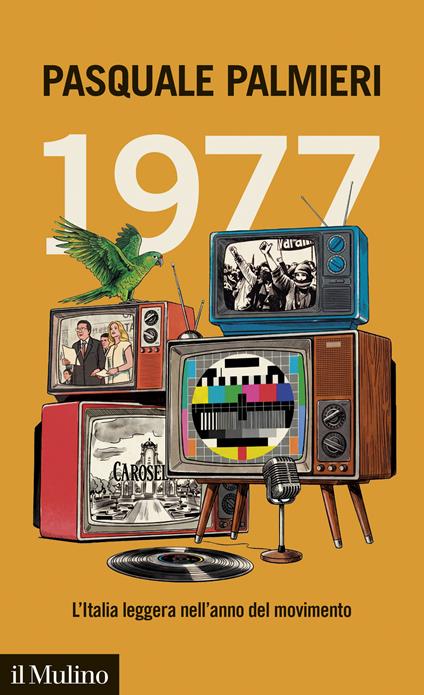
A breath less than fifty years ago: it was 1977. We think we already know everything about that year: the occupations, the P38s, the bodies on the asphalt, the repression, the Moro kidnapping, Berlinguer's words, the historic compromise. But while it seemed on the verge of exploding, and almost without asking history's permission, Italy also manifested a disruptive desire for modernity. Here came color TV, local stations, Portobello, new commercials, pop concerts in the squares, the Superclassifica Show, Happy Days, fistfights at the cinema, sex comedies, UFO sightings. Pasquale Palmieri (1977. L'Italia leggera nell'anno del movimento, Il Mulino) tells us about a country that is afraid and at the same time dreams, consumes, watches, listens, and experiments with the future. With him, Livio Partiti.
scrittorincittà is supported by



scrittorincittà was created with the patronage of the European Commission Representation in Milan